One hundred and one years ago yesterday, on April 5, 1919, Joe Hall passed away at the Columbus Sanitarium in Seattle, Washington. Hall died of pneumonia, as did so many victims of the Spanish Flu epidemic around the world between 1918 and 1920. (Sources used to put the death toll around 20 million worldwide, but more recent estimates have moved that number to more like 100 million.)
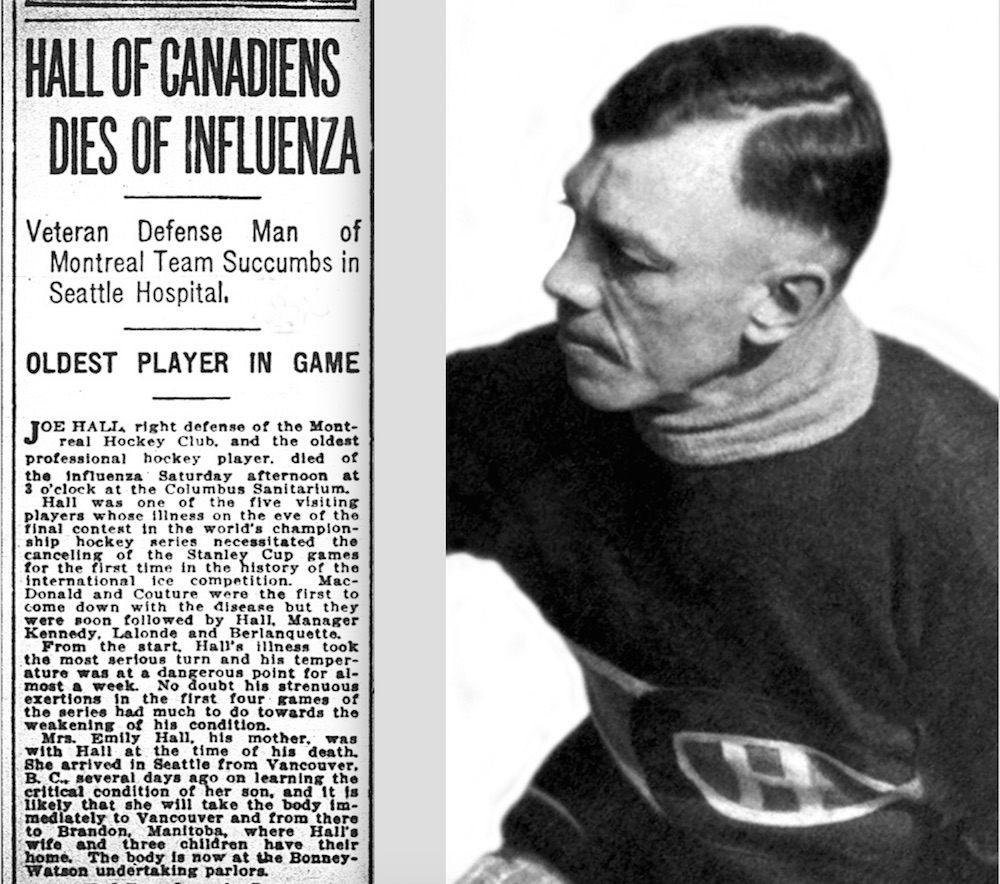
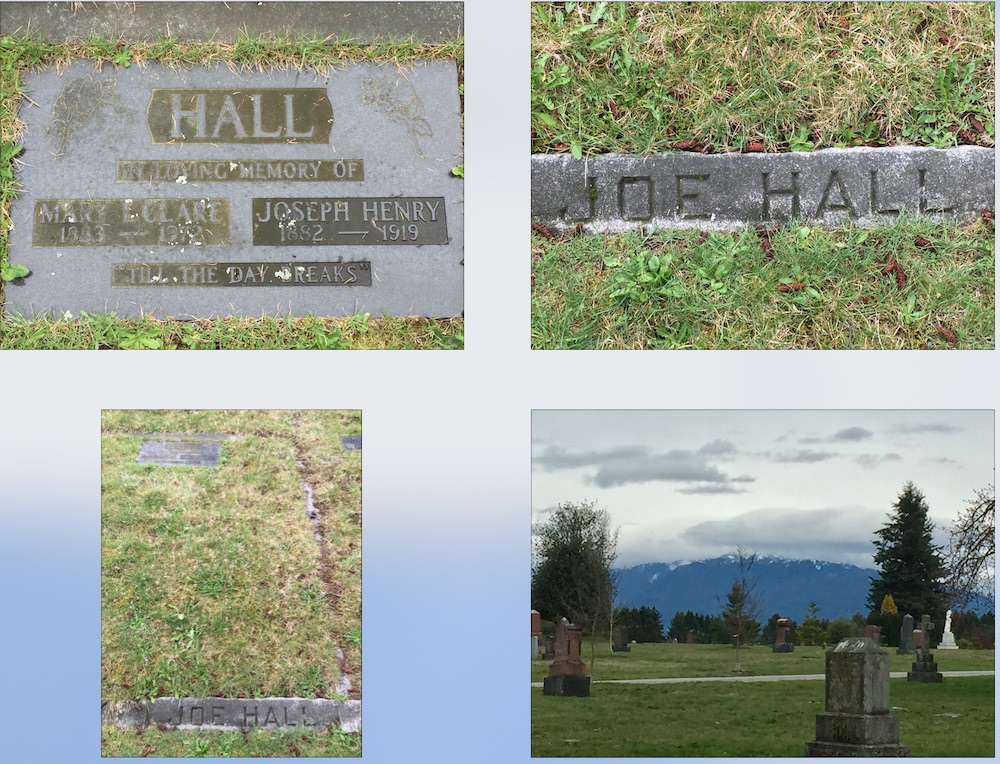
Last year on April 5, I visited Joe Hall’s gravesite in Vancouver on the 100th anniversary of his death. Hall’s illness, along with several other of his Montreal Canadiens teammates, is the reason that the deciding game of the 1919 Stanley Cup Final was never played. The fact that Hall died just four days after the series was cancelled makes him the most famous hockey victim of the Spanish Flu … but he wasn’t the only one.
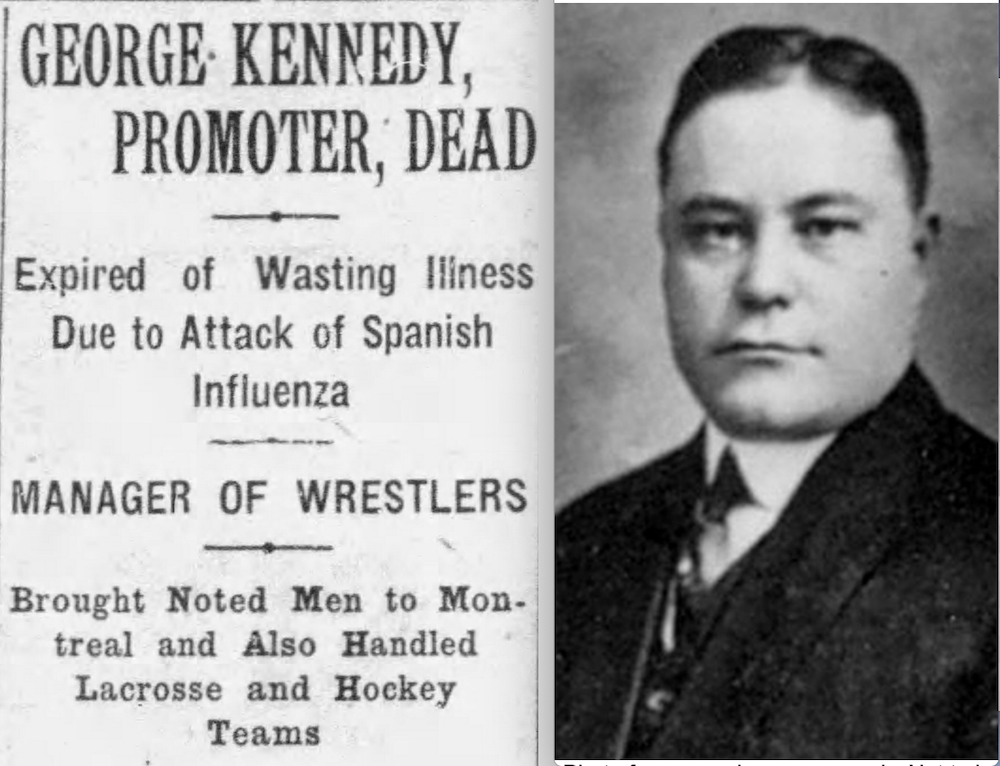
George Kennedy owned and operated the Montreal Canadiens from 1910 until his death on October 19, 1921. Kennedy also contracted the Spanish Flu while the team was in Seattle for the Stanley Cup in 1919. Although he lived for another 2 1/2 years, it was said that Kennedy never really recovered.
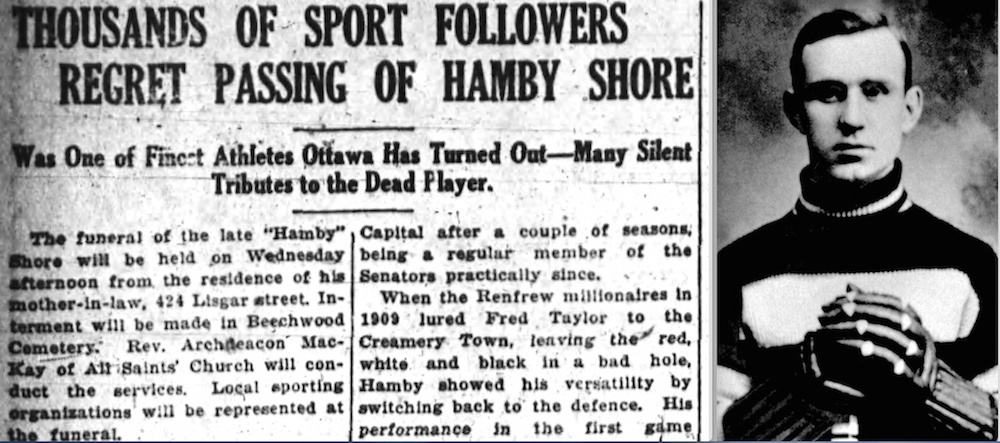
Three years before George Kennedy died, Hamby Shore of the Ottawa Senators had been the first member of the hockey community to fall to the Spanish Flu. Shore caught the disease while nursing his wife, who made a complete recovery. Sadly, he died on October 13, 1918.
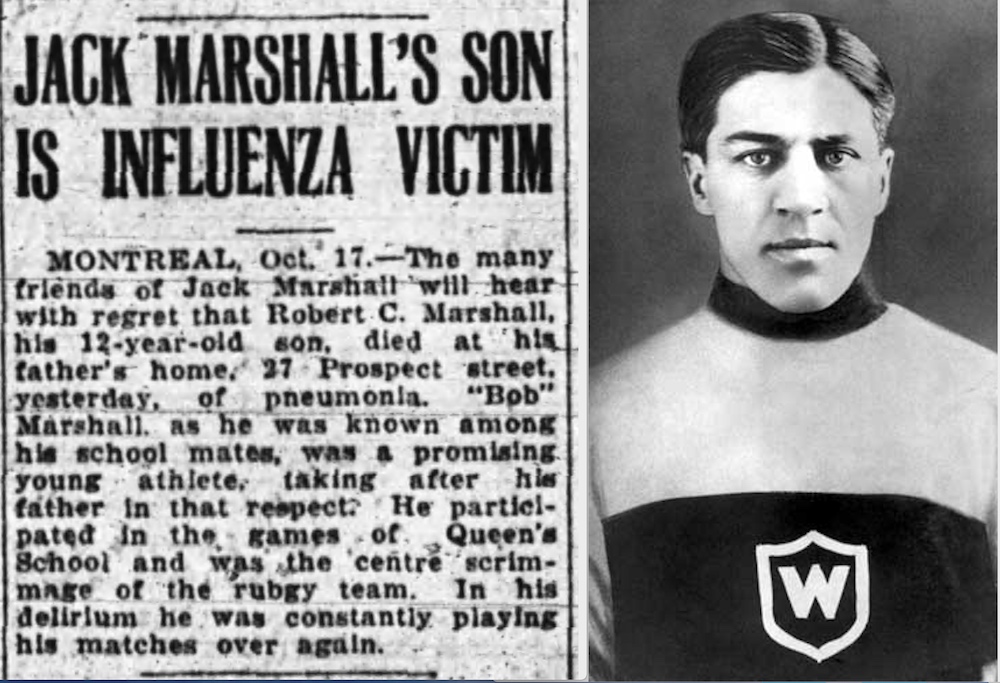
On the day of Hamby Shore’s funeral in Ottawa on October 16, 1918, the hockey world suffered another loss when the son of Jack Marshall (who had starred at the game’s highest level from 1900 to 1917) died of the flu. Bob Marshall was just 12 years old.
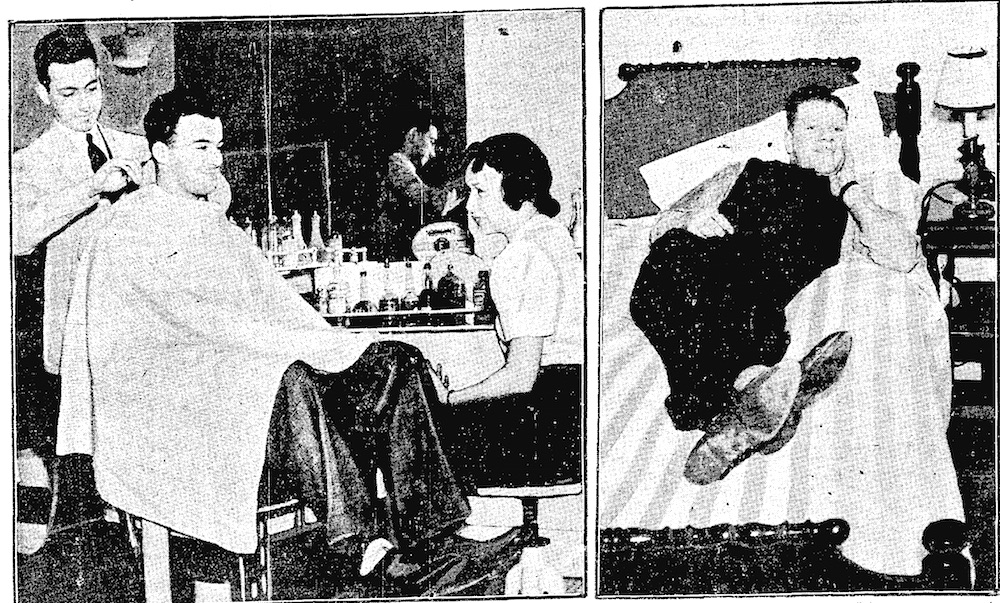
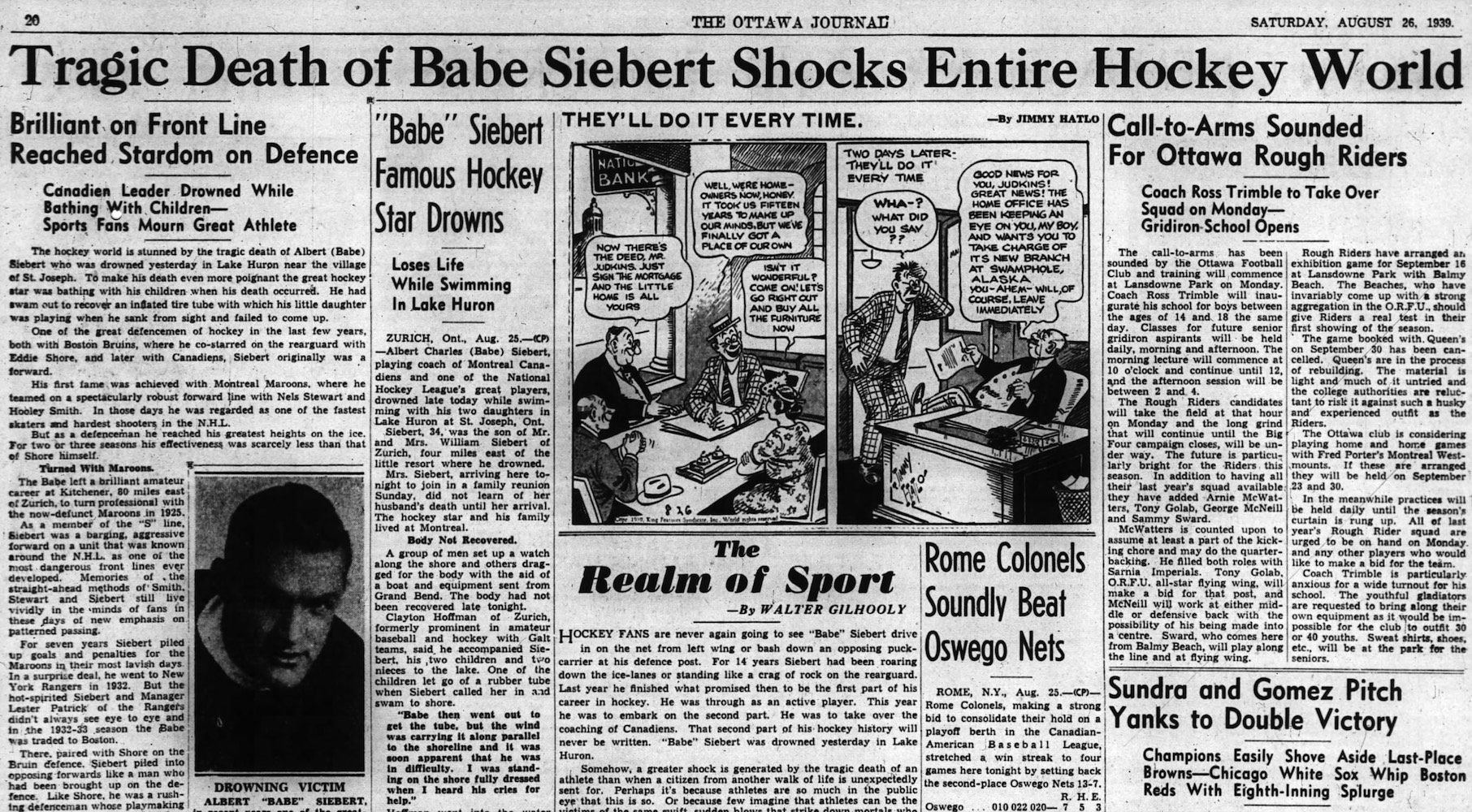
Having been called on a few times of late to share my knowledge of the Spanish Flu and the 1919 Stanley Cup, I was asked recently if I knew how many hockey players had been sick during the epidemic. I spent an hour or two last week trying to put together a list. This may not be a complete compilation, but it’s certainly a start. Everyone listed here seems to have made a complete recovery. (Most of the pictures accompanying the newspaper stories are courtesy of the Society for International Hockey Research.)
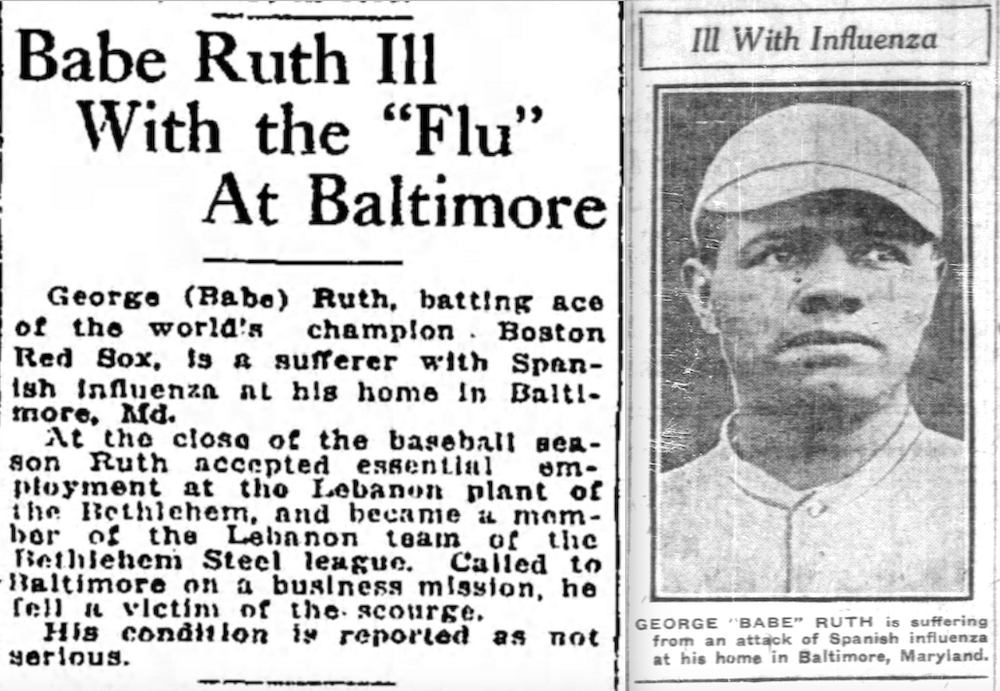
I decided to limit myself to professional hockey players, but I did come across a few other big names from other sports. Babe Ruth’s case was said to be a mild one, but imagine how different the history of baseball would be if Ruth had died in the fall of 1918!
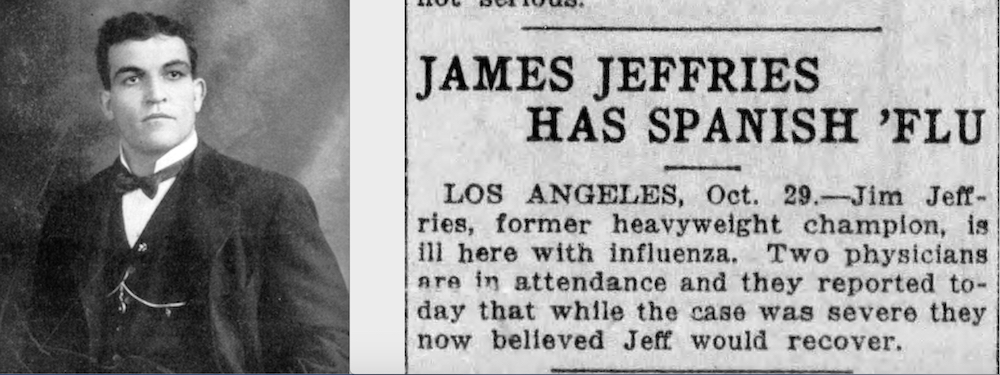
Jim Jeffries was the heavyweight boxing champion of the world from 1899 to 1904, and famously came out of retirement in 1910 to fight Jack Johnson as the “Great White Hope.” Jeffries recovered from the Spanish Flu, as his doctors believed he would.
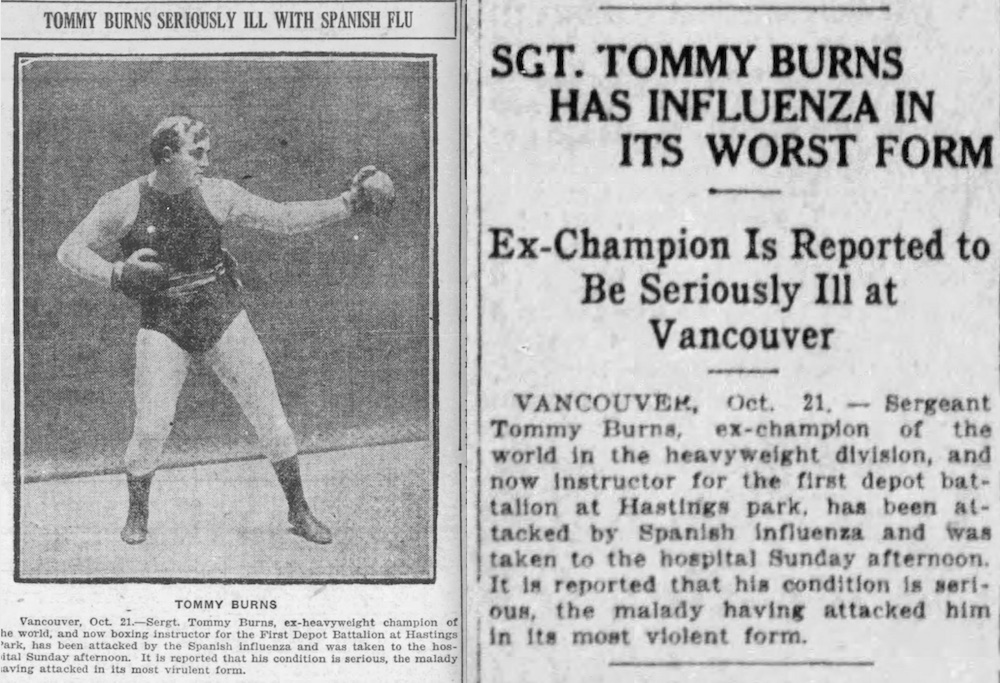
Former Canadian heavyweight champ Tommy Burns (who lost the title to Jack Johnson in 1908) also came down with the flu in 1918 while in training with the army in Vancouver. Though his case sounds bad, it was soon reported that Burns was improving.
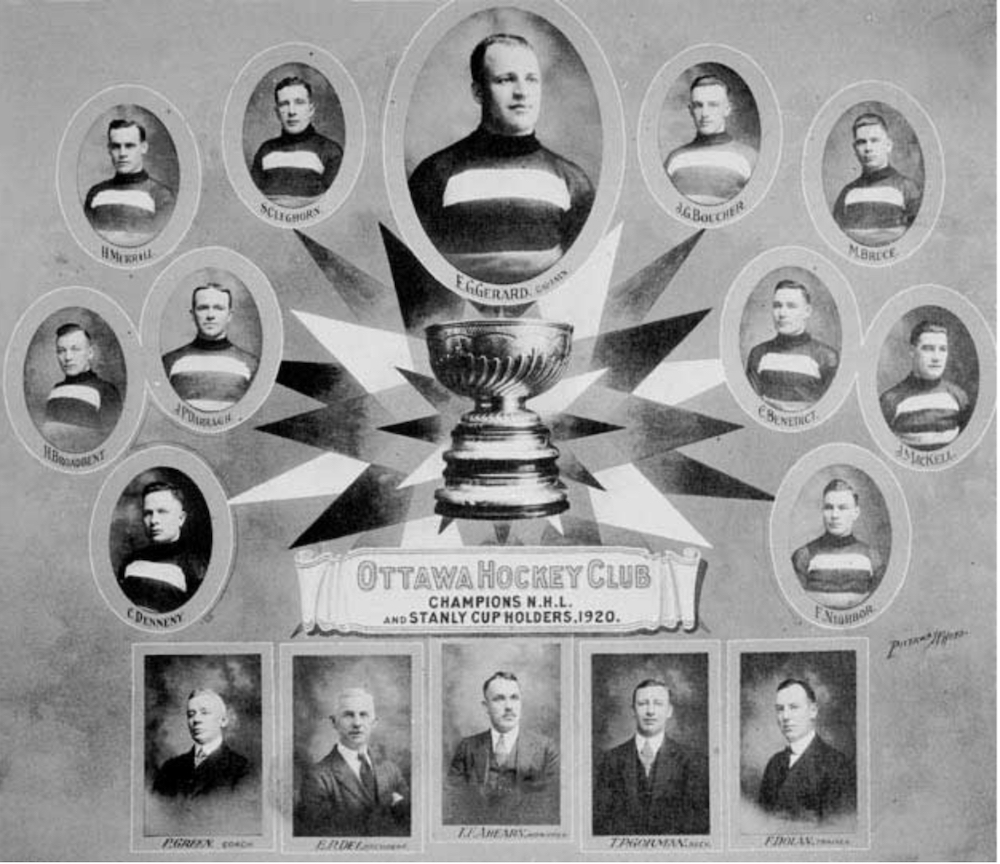
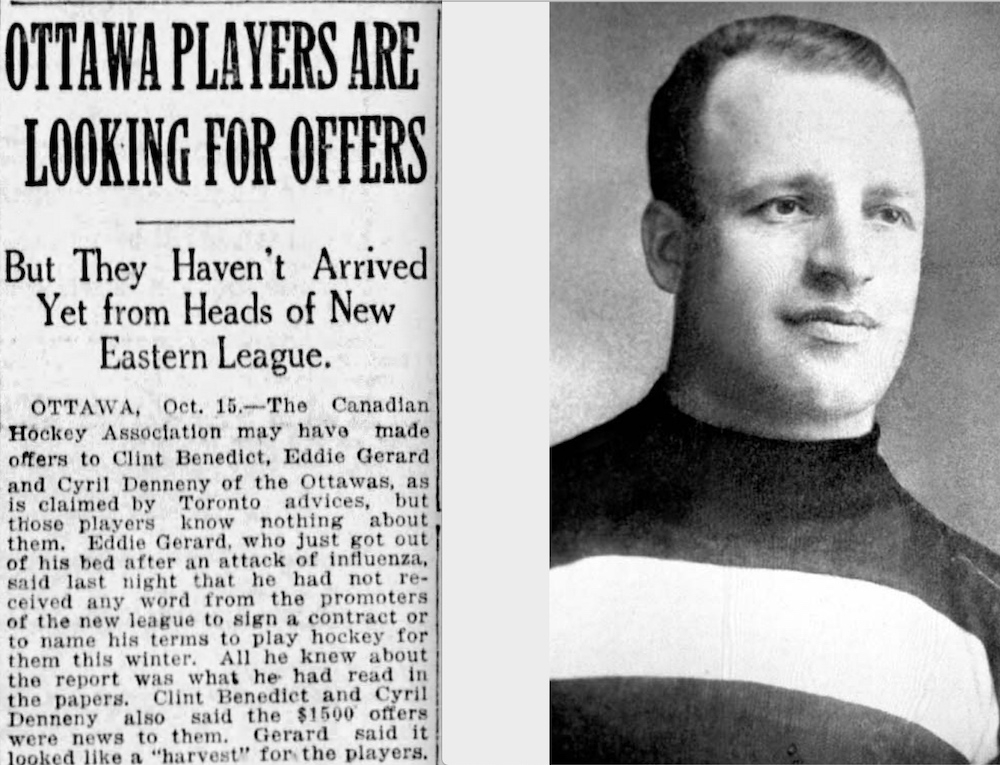
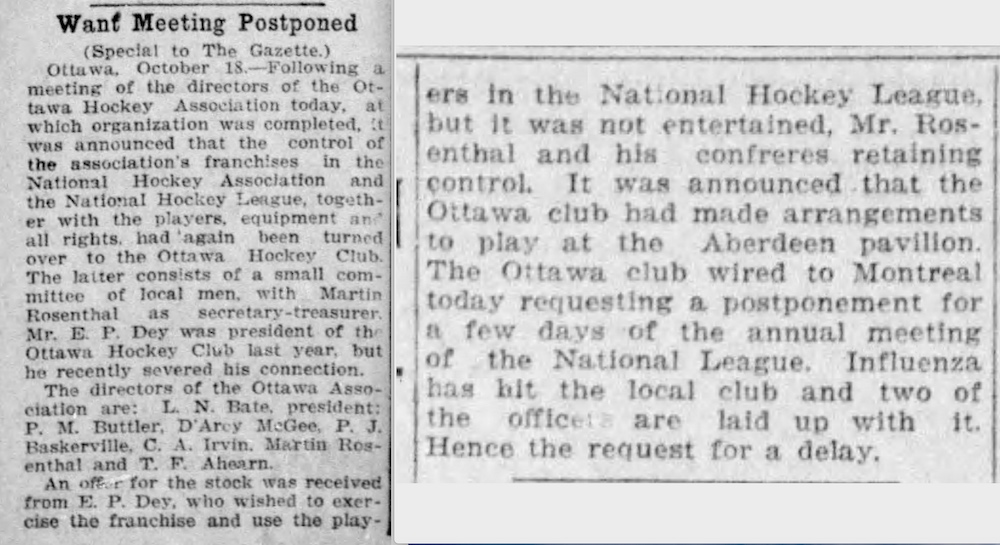
As for other hockey players, while Hamby Shore was dying in the fall of 1918, his Ottawa teammate Eddie Gerard was recovering from his own bout of Spanish Flu.
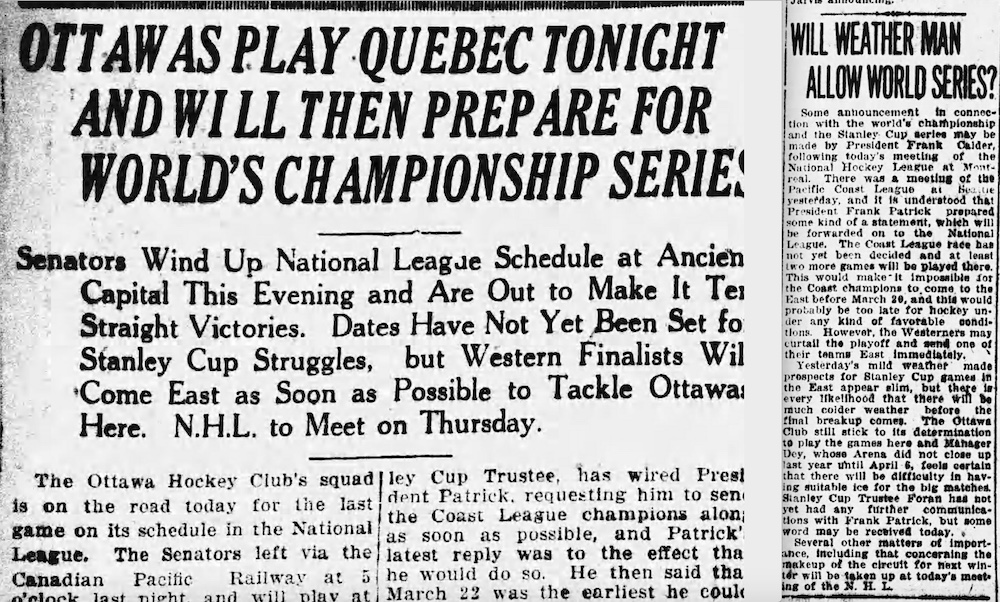
And at least two club executives in Ottawa were reported to be down with the flu as well. Still, the NHL meeting went on as scheduled on October 19 … although only three delegates were in attendance.
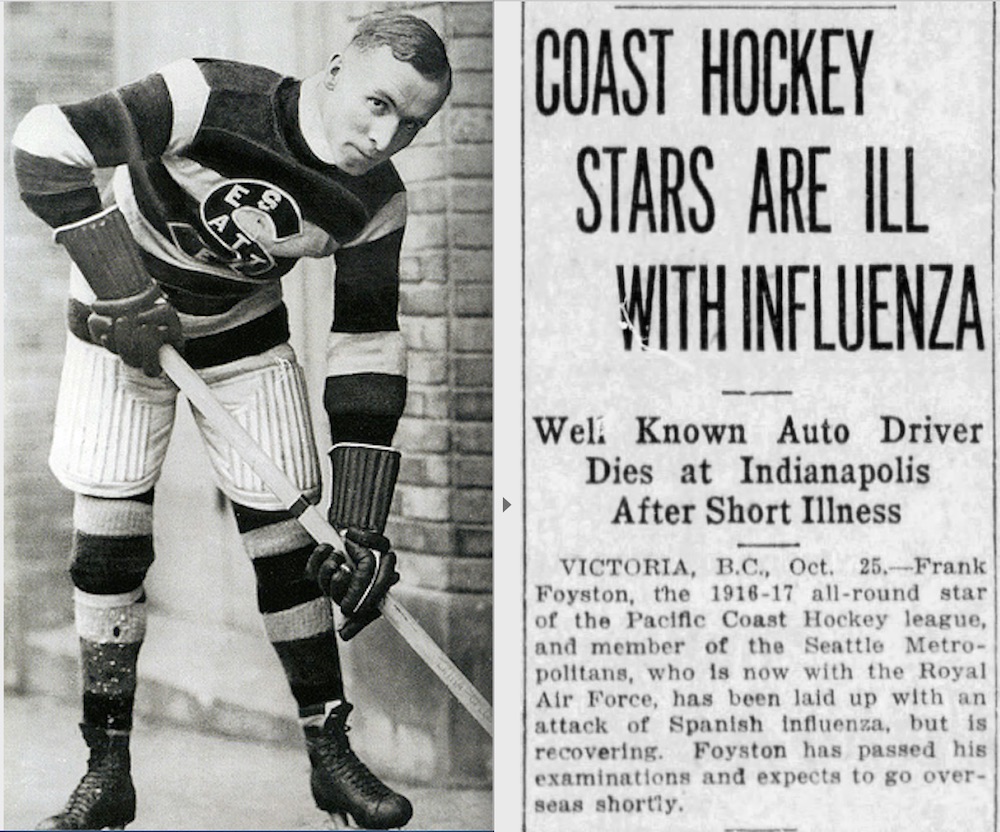
Frank Foyston of the Seattle Metropolitans was also sick in October of 1918. He was training with the Royal Air Force in Toronto during World War I at the time. Toronto newspapers mention that he was sick, some articles noting he had the Spanish Flu, which was confirmed by his former teammate Norm Fowler in a letter to Pacific Coast Hockey Association President Frank Patrick in Vancouver. (The War ended before Foyston was ever sent overseas.)
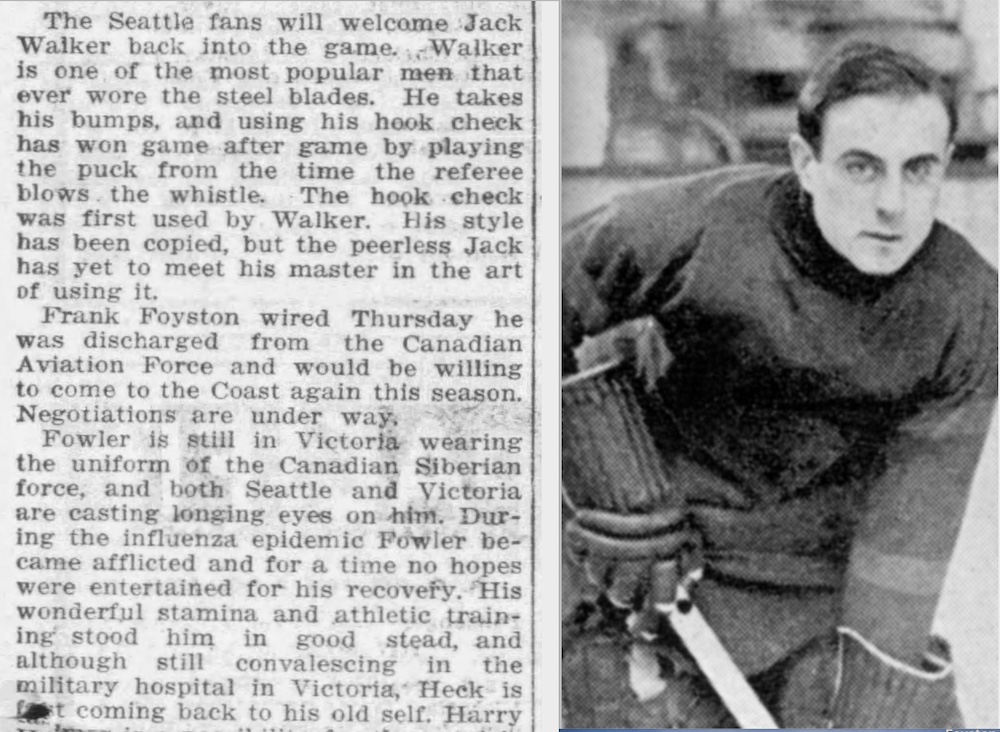
Fowler, who was in the army and training in Victoria, British Columbia, late in 1918 before serving in the Canadian Siberian Expeditionary Force to bolster the Allied presence during the Russian Revolution, would also become a sufferer of the Spanish Flu. Fowler recovered, and after missing the 1918–19 season due to his military service, he signed on with the Victoria Aristocrats hockey team in 1919–20.
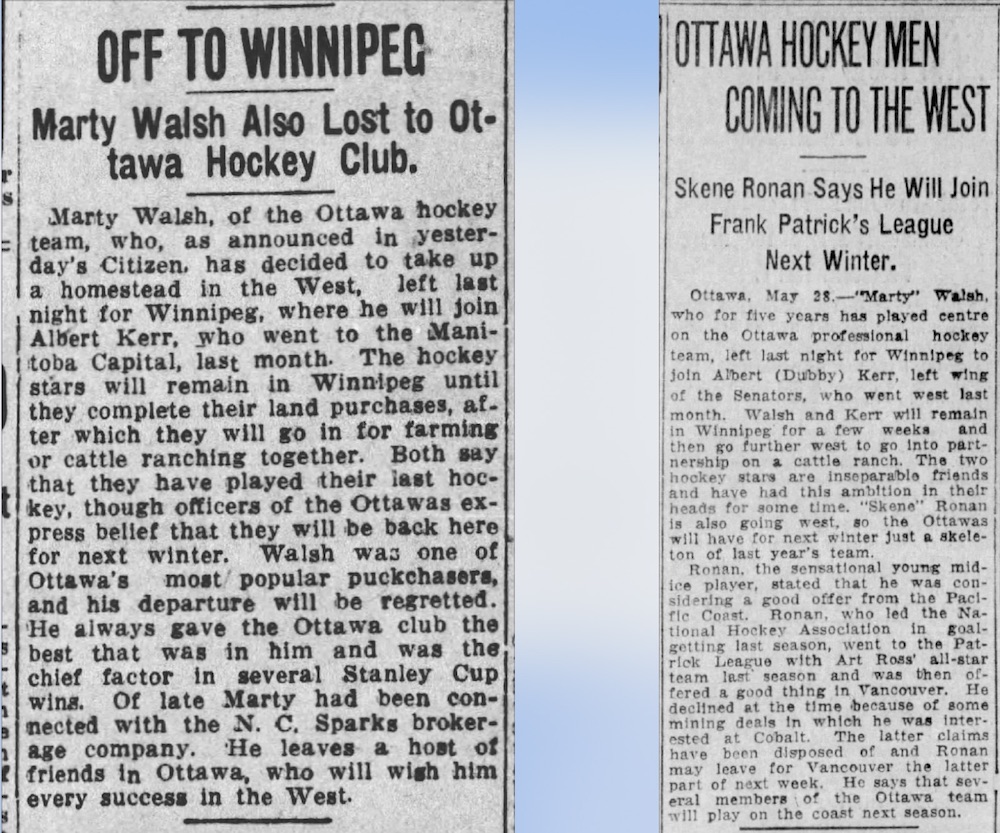
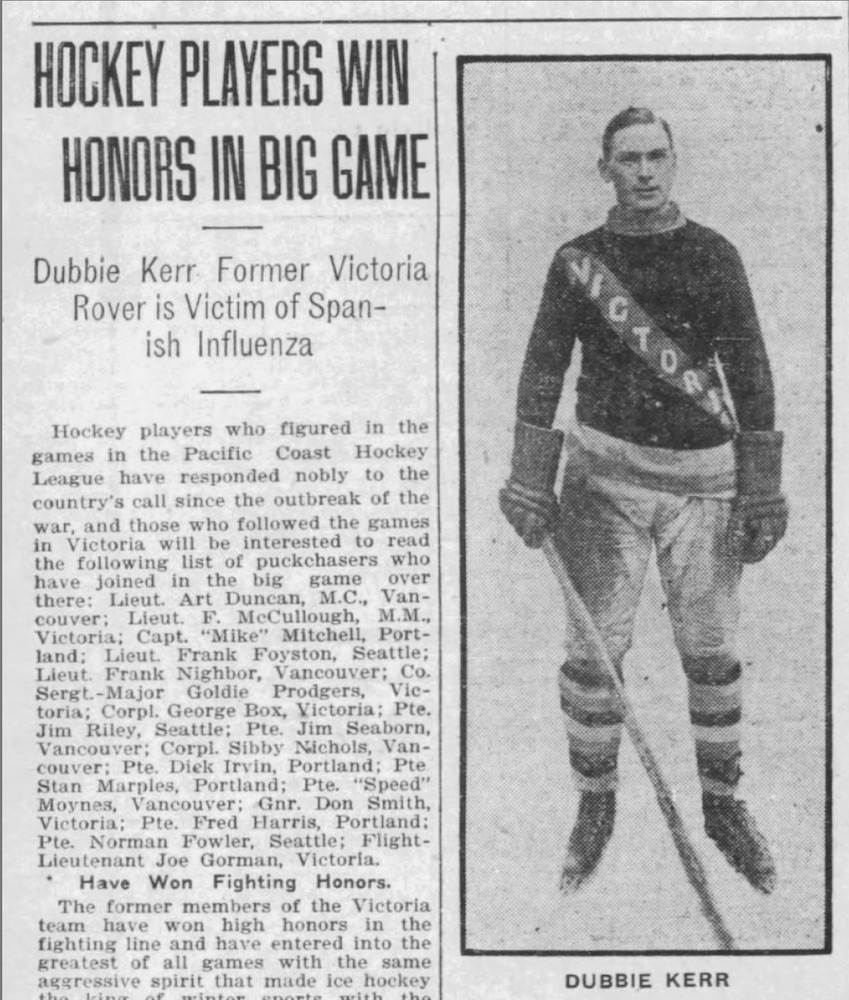
The British Columbia capital seemed to be a particularly difficult place for hockey players during the Spanish Flu epidemic. Dubbie Kerr, who hadn’t played hockey at all in 1917–18 and would play just one game for Victoria during the 1918–19 season was reported sick with Spanish Flu in the fall of 1918.
Aristocrats captain Eddie Oatman came down with a case in late December of 1918 and missed the team’s first game of the PCHA season before returning to action in January.
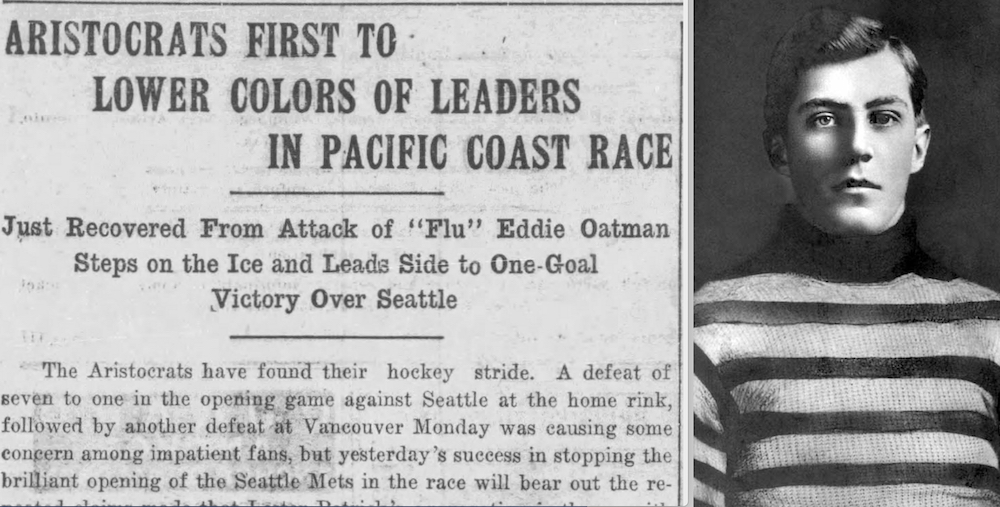
After Oatman recovered, team owner, coach and star player Lester Patrick came down with the disease.
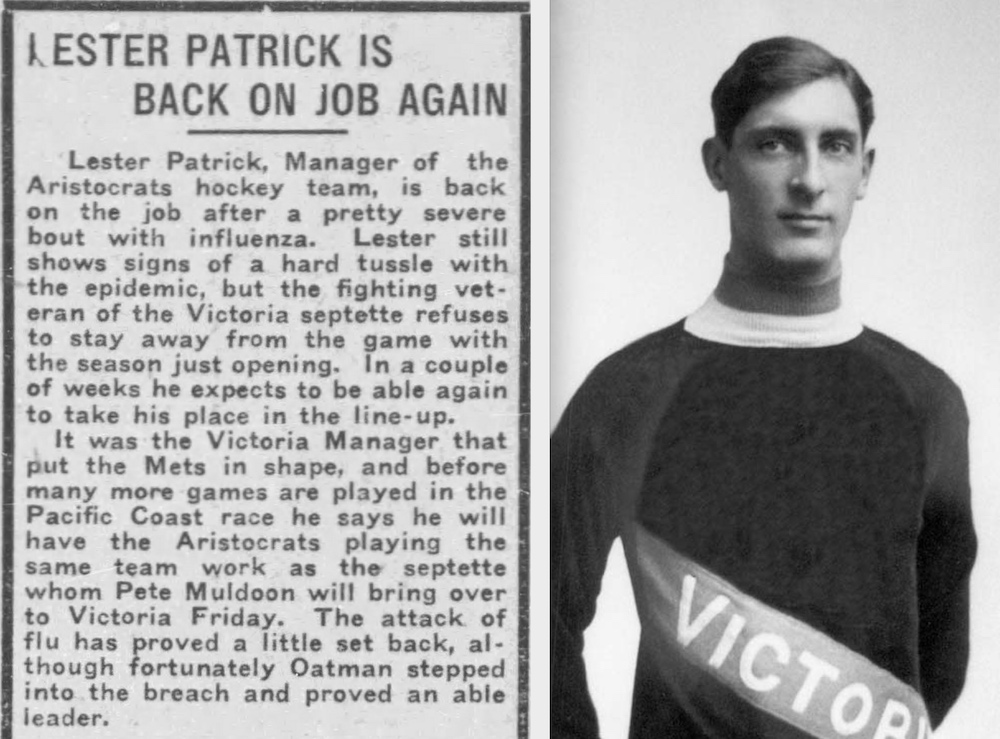
Though it’s said that Lester was extremely diligent in insisting that other players be sent home if they experienced any symptoms, Moose Johnson, Clem Loughlin, Bob Genge and Alf Barbour of the Aristocrats all got sick too. Every Victoria player recovered.
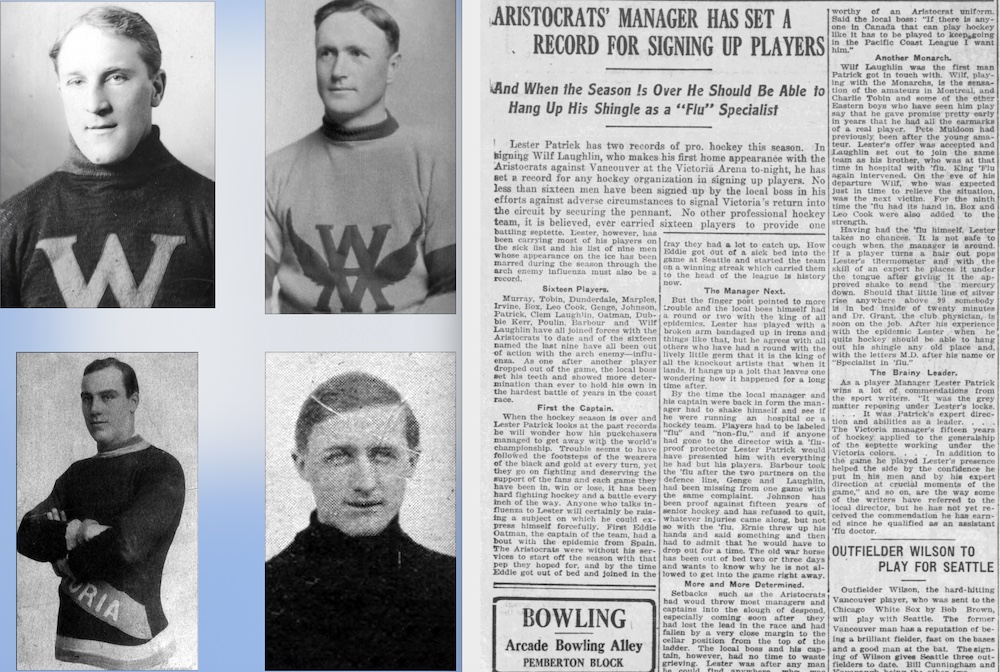
Given that many sporting events were cancelled in Victoria in the fall of 1918 (as they were all across North America, where – like today – meetings, schools, theaters and the like had all been shut down) it’s amazing to me that the PCHA never closed the rinks during the 1918–19 season. Of course, the league only had three teams, as did the NHL, but whereas the Spanish Flu epidemic was considered essentially over in November on the East Coast – well before the the NHL season began in late December — life didn’t really get back to normal on the West Coast until January. And, of course the disease would flare up again later.
It’s long been said that the Montreal players who got sick at the end of March during the 1919 Stanley Cup Final contracted the disease while in Victoria. I don’t believe that to be true. (In my research, the team was never in Victoria en route from Montreal to Seattle.) I think it was just an easy story for lazy writers who knew that so many Victoria hockey players had been sick. I also doubt they picked up the virus in Vancouver, which is another theory. The Canadiens were in Vancouver for barely 24 hours nearly two weeks before anyone got sick, and unlike COVID-19, the Spanish flu presented symptoms almost immediately.
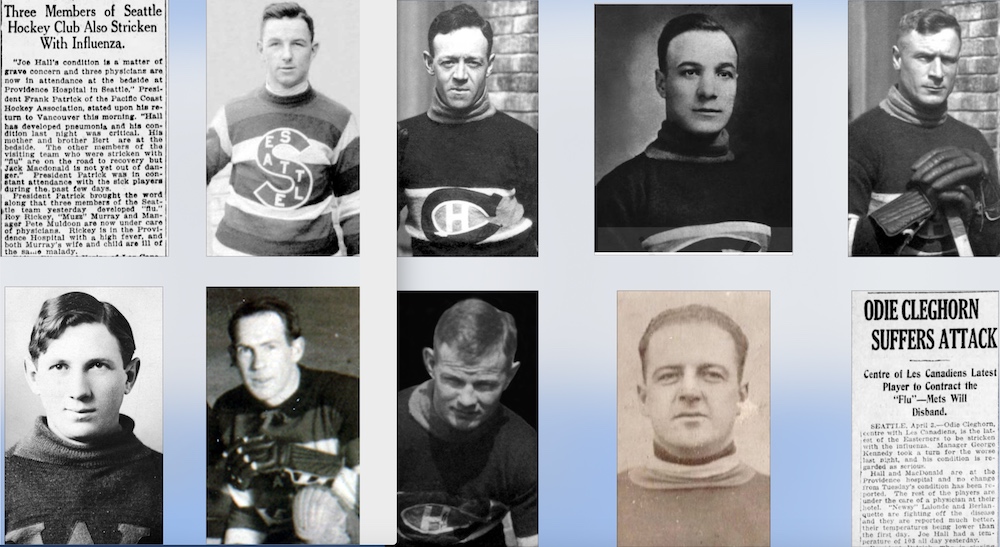
Although there were no deaths associated with the flu in Seattle during March of 1919, I think the Canadiens contracted the disease while they were there. In addition to Joe Hall and George Kennedy, Canadiens who got sick in Seattle include Jack McDonald, Newsy Lalonde, Billy Coutu, Louis Berlinguette, and Odie Cleghorn. Roy Rickey, Muzz Murray and manager Pete Muldoon of the Seattle Metropolitans were also stricken with influenza. All would recover fairly quickly.
For more on this topic, you can see the story I wrote here in March of 2017, or search out several interesting stories by others writers about Joe Hall, Hamby Shore, and the 1919 Stanley Cup that have been written since the start of the COVID 19 pandemic.
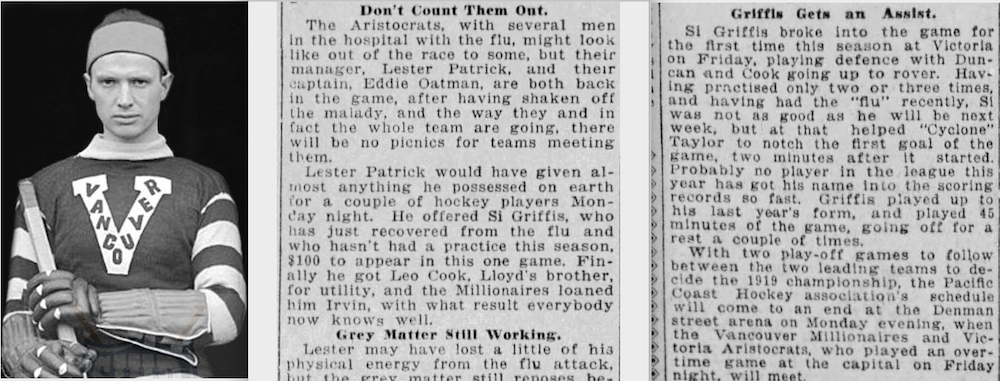
LATE ADDITION (October 5, 2020): While researching my upcoming book on the Kenora Thistles (due out in the fall of 2021), I discovered that Si Griffis was also stricken with the Spanish Flu. The former Thistles star had announced his retirement from the Vancouver Millionaires late in the 1917-18 season, but despite coming down with the flu in January or February of 1919, returned to the Millionaires in March.
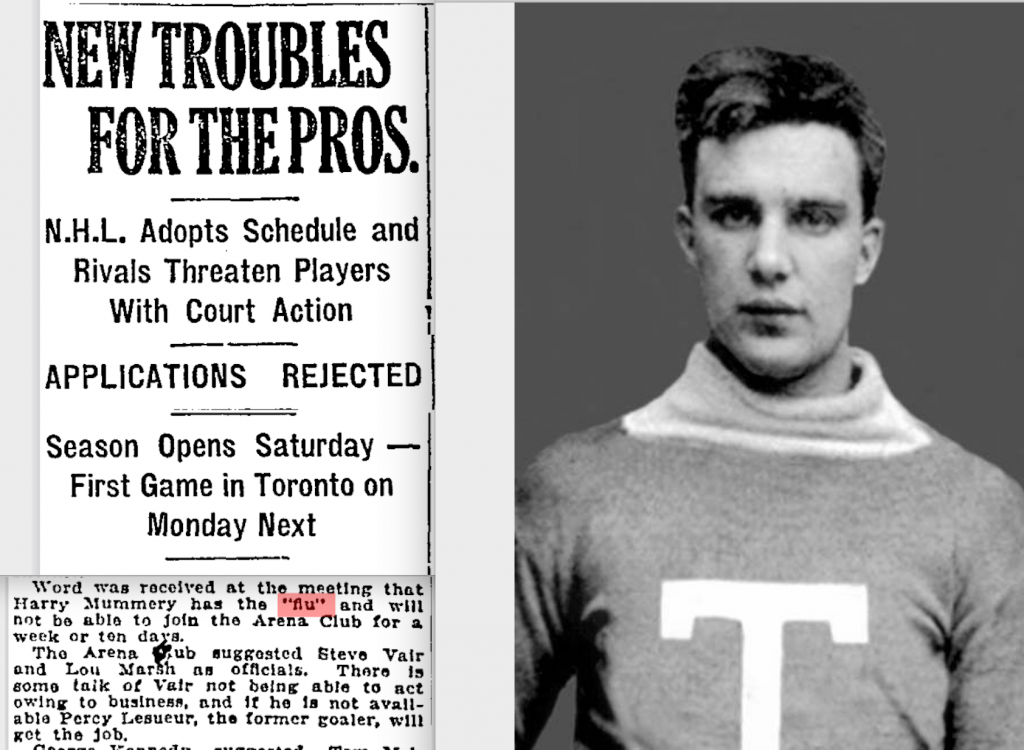
And one more. Harry Mummery was reported as having the flu in Toronto’s Globe newspaper on December 16, 1918. I’d say that’s a decent reason why he missed the first five games of the 1918-19 season and didn’t play his first until January 9.